Welcome to the National Cycle Museum
Home to over 260 cycles from an original 1818 Hobby Horse - see below , as well as Victorian tyred machines, classic lightweights to the latest carbon-fibre designs
 - fredaatvillas2002@yahoo_co_uk - Yahoo Mail(2).png)
Cycle Museum Jumble Sale
For details of this years Cycle Museum Jumble Sale see the Events Page.
Events Page
Bicycle Parts
For details of bicycle parts for sale see Bicycle Parts page.
Bicycle Parts Page
About the Museum
An Independent Charitable Trust , charity ( No 511257), whose aim is to promote interest in all aspects of cycling history. We encourage Group and School visits and hold annual Events in the UK.
The Museum is the National Cycle Museum for the UK and is one of the leading world cycle museums .
If you would like to support the museum with a donation, please make cheque payable to National Cycle Museum and post to us at Automobile Palace, Temple Street, Llandrindod Wells, Powys, LD1 5DL. or contact us on curator@cyclemuseum.org.uk to ask for bank details for bank transfer .
Museum Admission
Adults: £6.00
Children 4-16 free admission with each paying adult Extra children £1..
For school visits please contact us for quote.
Dogs £Free
Carers £Free
Groups: £discount given for 10+, free admission to group organiser - min 10 in group.
Opening Times
The museum will be open 10am-4pm on Mondays and Tuesdays from April
Also open Saturdays 10am - 2pm from April
NB Closed on Bank Holiday Mondays
Development of Cycling
Track the Development of Cycling Innovations, new trends in cycling clothing and the liberation cycling can bring, about sports bikes, stunt bikes and how bicycles helped the war effort and unusuals frames...
Cycle Clothing
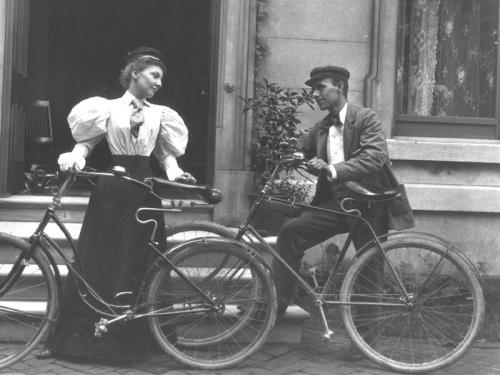
In the 1880s, cycling became a fad of major proportions in both the United States and Europe. By the 1890s...
See More...
Birth of Cycling
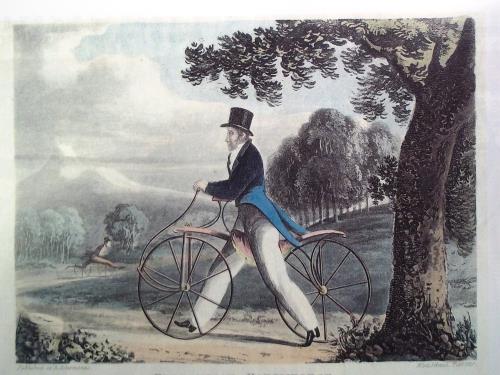
The first machine use the principles of a bicycle was invented and patented in 1817 in Mannheim, Germany by Karl von Drais...
See More...
Racing Bicycles
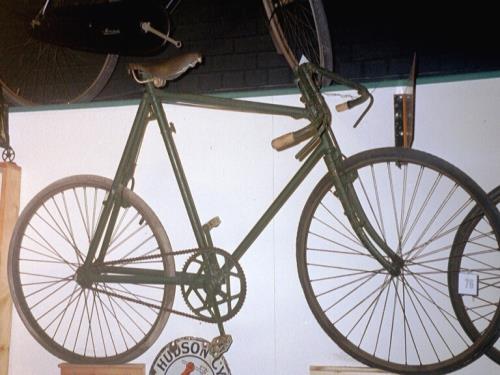
The combination of safety bicycles with pneumatic tyres and geared drive by chainwheels enabled professional cycle racing...
See More...
Mountain Bikes
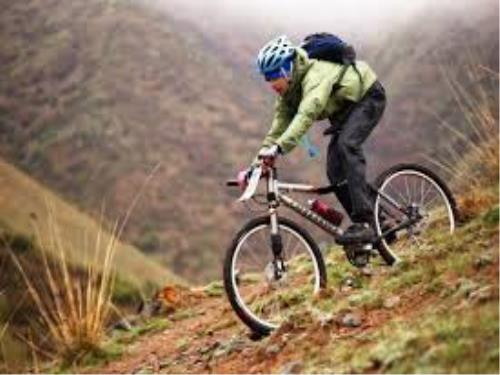
Mountain bikes became popular in the 1970s. Their construction differs from a typical bicycle in that many include suspension...
See More...
Circus / Stunt Bicycles
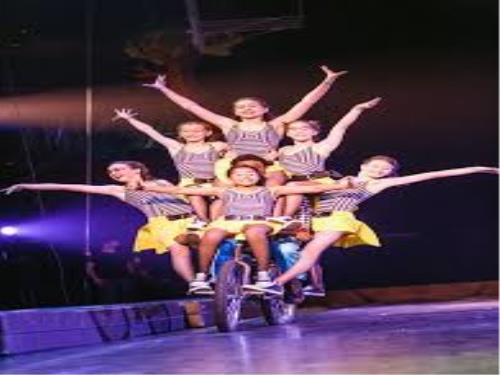
Bicycles have been specially adapted for all sorts of use since their inception, including high - wire circus and...
See More...
Bicycles at War
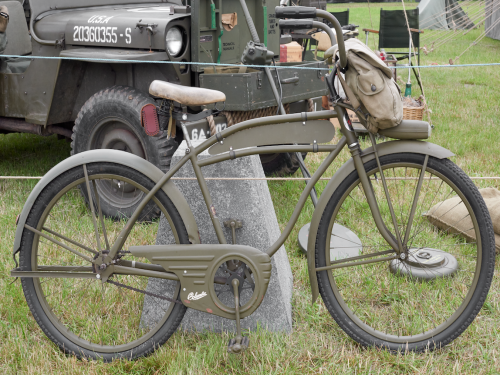
During World War I cycle-mounted infantry, messengers and ambulance carriers were extensively used by all combatants...
See More...
Olympic and World Records
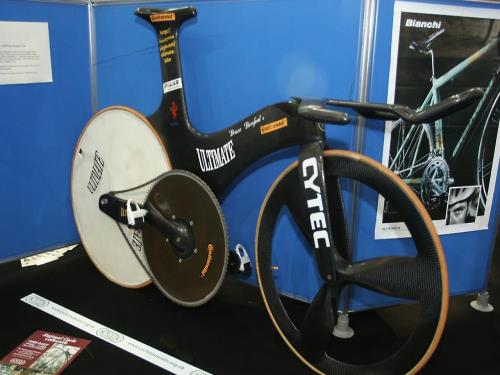
Cycling events have been contested in every Summer Olympics programme since the first Modern Olympic Games of 1896...
See More...
Lightweight Frame Builders
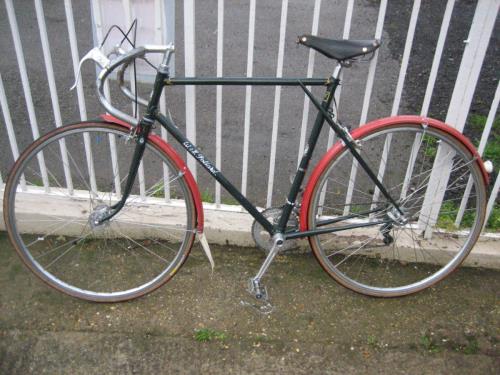
During the mid -1930s the introduction of high-tensile,lightweight steel tubing in the UK enabled cycle frame makers to produce machines...
See More...
Unusual Frame Designs
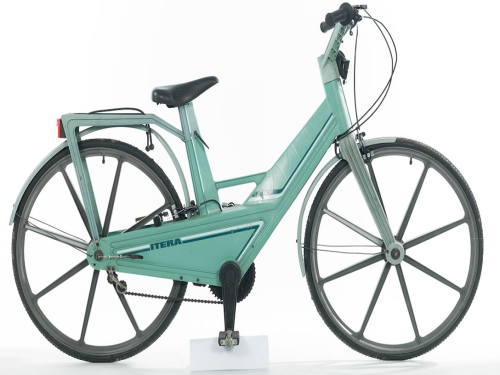
The design of the safety bicycle very quickly became established using the ‘diamond’ frame layout or its variant...
See More...
New Designs
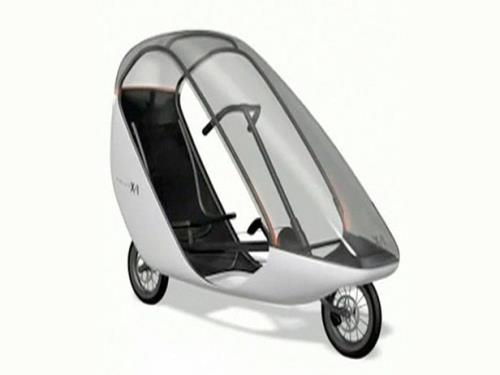
In recent years we have seen the increased use of new materials, (titanium, carbon fibre, etc.) in specialist bicycle construction...
See More...
Cycling Memories
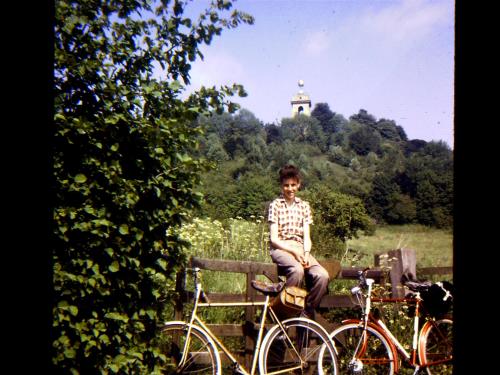
Read some of the stories of peoples fondest memories experienced on the Bicycle. My sister Geraldine was the eldest of six...
See More...
Types of Bicycles
There are a range of Bicycles on Display at the National Cycle Museum in Llandrindod Wells from early models such as the Hobby Horse, Penny farthing and the Boneshaker through to modern day Mountain Bikes, Carbon Fibre Frames and the Lightweights.
Hobby Horse
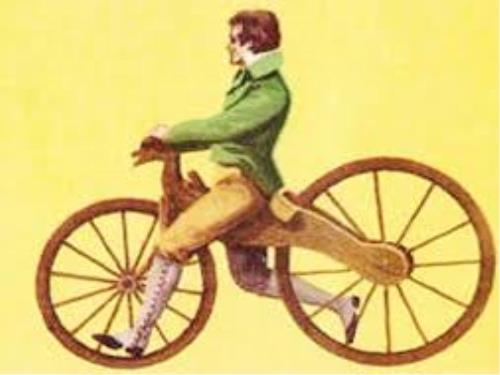
The first machine to integrate the three main elements of the bicycle, balance, steering and propulsion...
See More...
Velocipede / Boneshaker
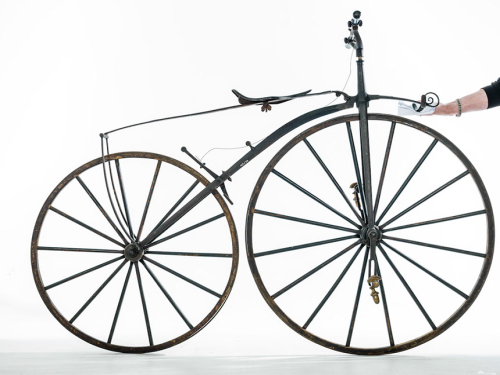
No further technical progress was made in bicycle design until the 1860s, when the Michaux family, makers of components for the carriages...
See More...
The Ordinary / Penny Farthing
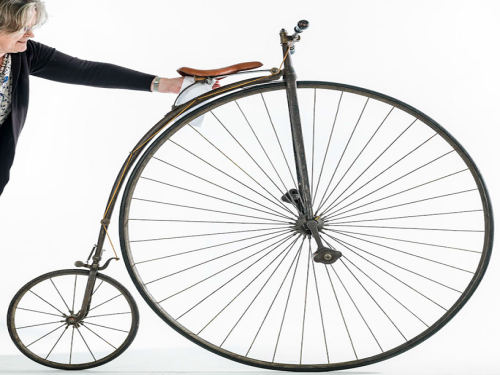
The invention in the 1870s of the metal-rimmed wheel with wire tension spokes introduced the next phase of bicycle design...
See More...
The Safety Bicycle
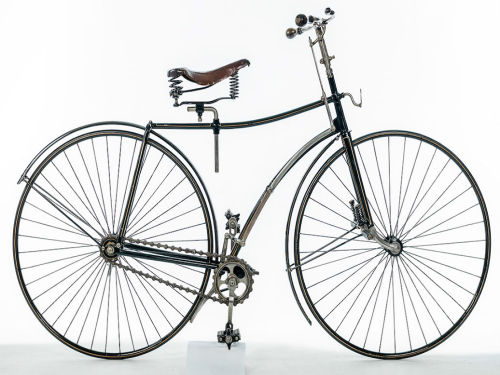
The main features of the safety bicycle were a chain drive from the pedals and...
See More...
The Sociables
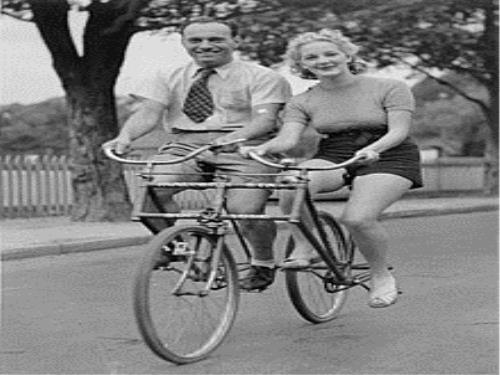
The Sociable or Side By Side Bicycle is a bicycle that supports two riders who sit side by side...
See More...
Tandems and Multi-place Machines
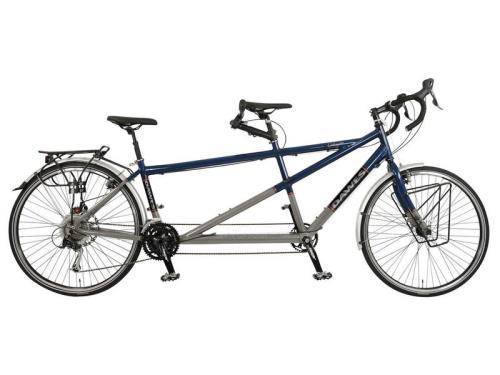
At each stage of cycle history, machines have been developed for use by more than one rider...
See More...
Tricycles and Quadricycles
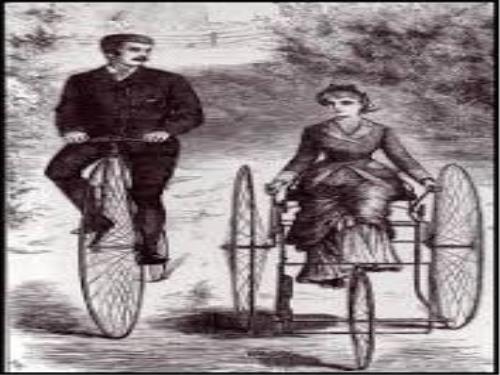
During the period between the first appearance of the hobby horse and the development of the velocipede, many attempts were made...
See More...
Recumbents
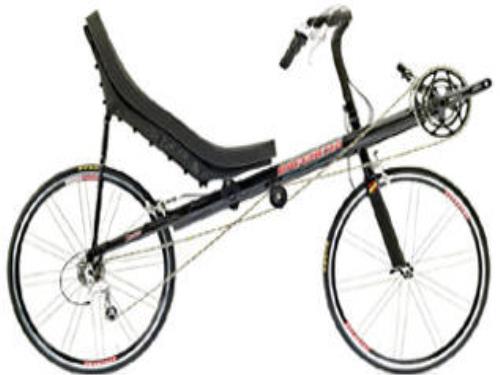
A Recumbent bicycle is a bicycle that places the rider in a reclining position. The rider's weight is distributed comfortably over a larger area...
See More...
Police Bicycles
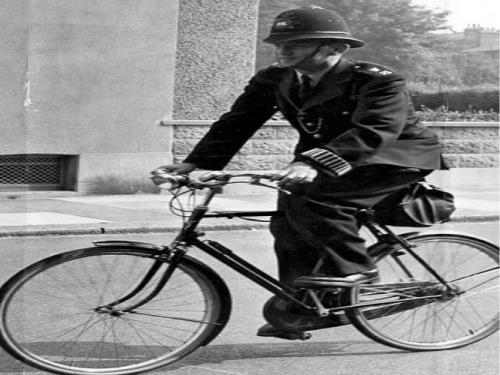
The use of bicycles by the Police forces of Europe began in the late 1890s. Cycles enabled the policeman to patrol a larger area...
See More...
Folding Bicycles
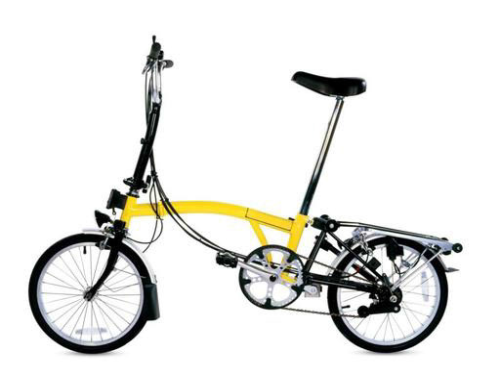
The Moulton bicycle, introduced in 1962 was a revolutionary development on the classic bicycle. It quickly...
See More...
Electric Bicycles
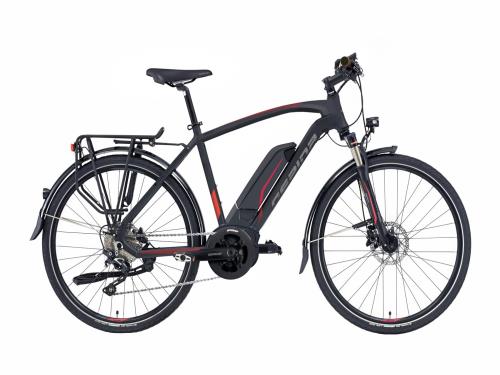
An electric bicycle is a bicycle with an integrated electric motor which can be used for propulsion...
See More...
Roadsters
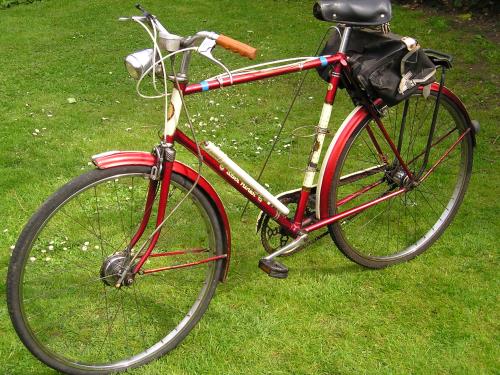
The Roadster design was established by the early 1890s and was designed to be used for everyday transport. It was once common...
See More...
Advertising / Shop Bicycles
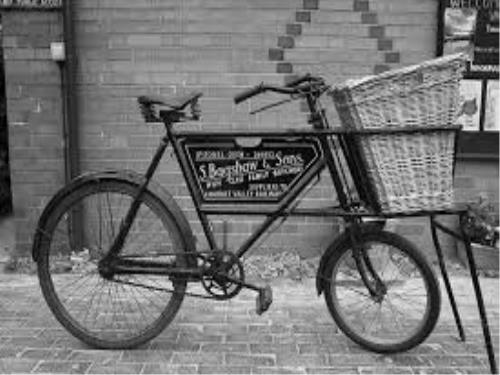
Bicycles were often used to transport Traders wares and carried a panel mounted inside the frame tubes advertising...
See More...
Memorabilia - various cycle parts available now - please see News Section- museum diary or SHOP
Many cycling memorabilia items on display e.g. photos, club badges, silverware, jerseys, posters, lamps, signs, tools, maps, magazines and a special Sturmey Archer exhibitio
LOOKING FOR SOMEWHERE INTERESTING ON A WET DAY IN MID WALES?
FREE PARKING AT REAR OF AUTOMOBILE PALACE
DISABILITY PARKING AT FRONT
.jpg)
A 1950s ICE CREAM CART
(1).jpg)
AN 1884 KANGAROO CYCLE
The museum has an extensive collection of cycle club badges - details in Veteran Cycle Club library at bottom of the page.
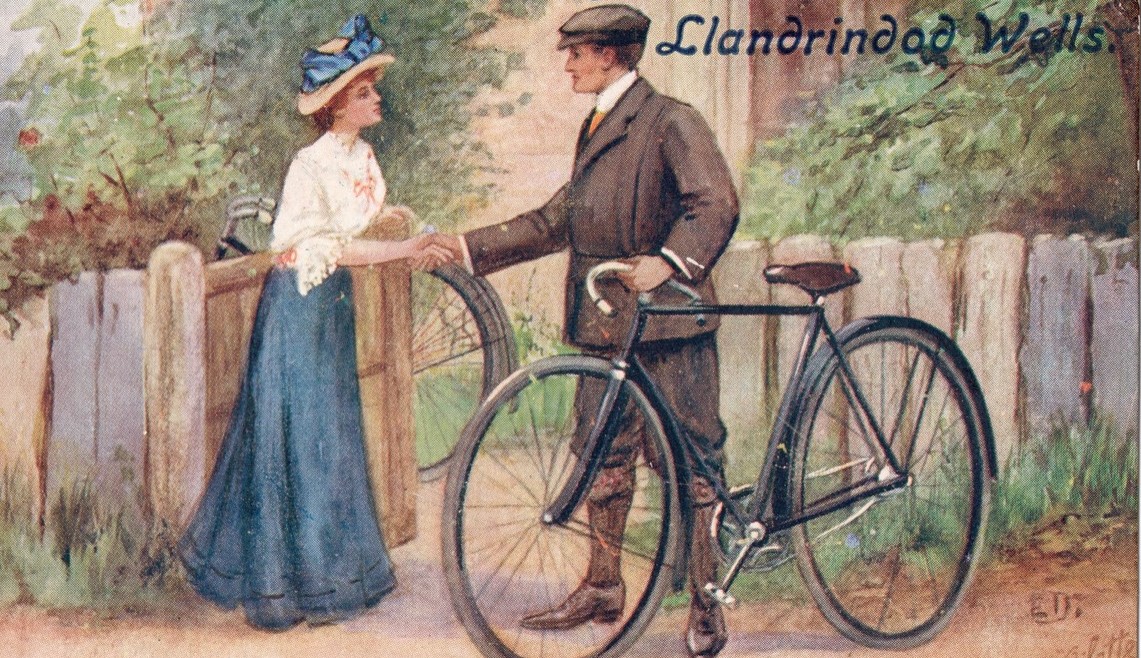
A lovely vintage postcard scene
(4).jpg)
Special free activities for children during school holidays. Try the free fun quiz or draw a favourite cycle in the museum.